


The Potty Training Timeline
It's important to remember that puppies have very weak muscle control over their bladder until they are approximately 18 weeks old. This means accidents are inevitable, but a consistent routine will set them up for long-term success.
The Golden Rule: Toilet training should start as soon as you get the puppy home.
⏰ When To Take Your Puppy Out
Puppies have predictable potty schedules. To maximize your chances of success, take your puppy to the preferred toileting location immediately after these events:
- They have eaten or drunk water.
- They have woken up (even from a short nap).
- After they have played or had exercise.
- First thing in the morning.
- Last thing at night.
🐶 Successful Toilet Training Protocol
Consistency and management are the keys to avoiding accidents and reinforcing the right behaviour.
Management & Prevention
- Ensure Ease of Access: Make the preferred toileting location (e.g., grass outside) easy to reach at all times.
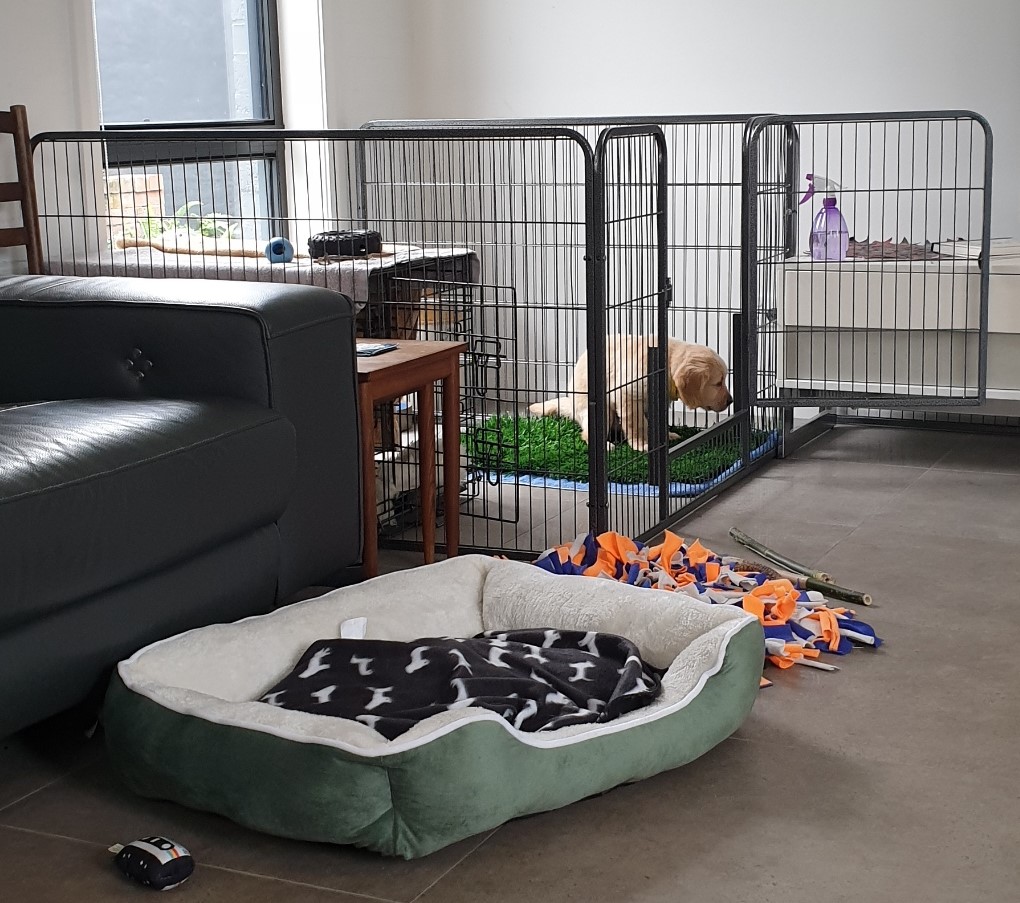
- Restrict Access to Unwanted Areas: Temporarily restrict your puppy's access to carpets, tiles, rugs, and floorboards. Use a playpen, a long lead, or temporary barriers to keep them close and prevent them from wandering off to toilet in hidden areas.
- Address Accidents Gently: Make no noise or reaction when they have a toileting accident inside. We want to ensure they are not "hiding" to toilet because they fear your reaction. Never scold them when they toilet where they shouldn’t.
Cleaning Accidents
To properly clean up an accident, avoid strong-smelling products like bleach or Pine-o-Clean, as these scents can actually attract the dog back to the same area.
- Accidents can be cleaned up with warm soapy water or white vinegar with a few drops of eucalyptus oil.
- The most effective solution is a premixed commercial enzymatic cleaner spray (like Urine Off).
Reinforcement & Routine
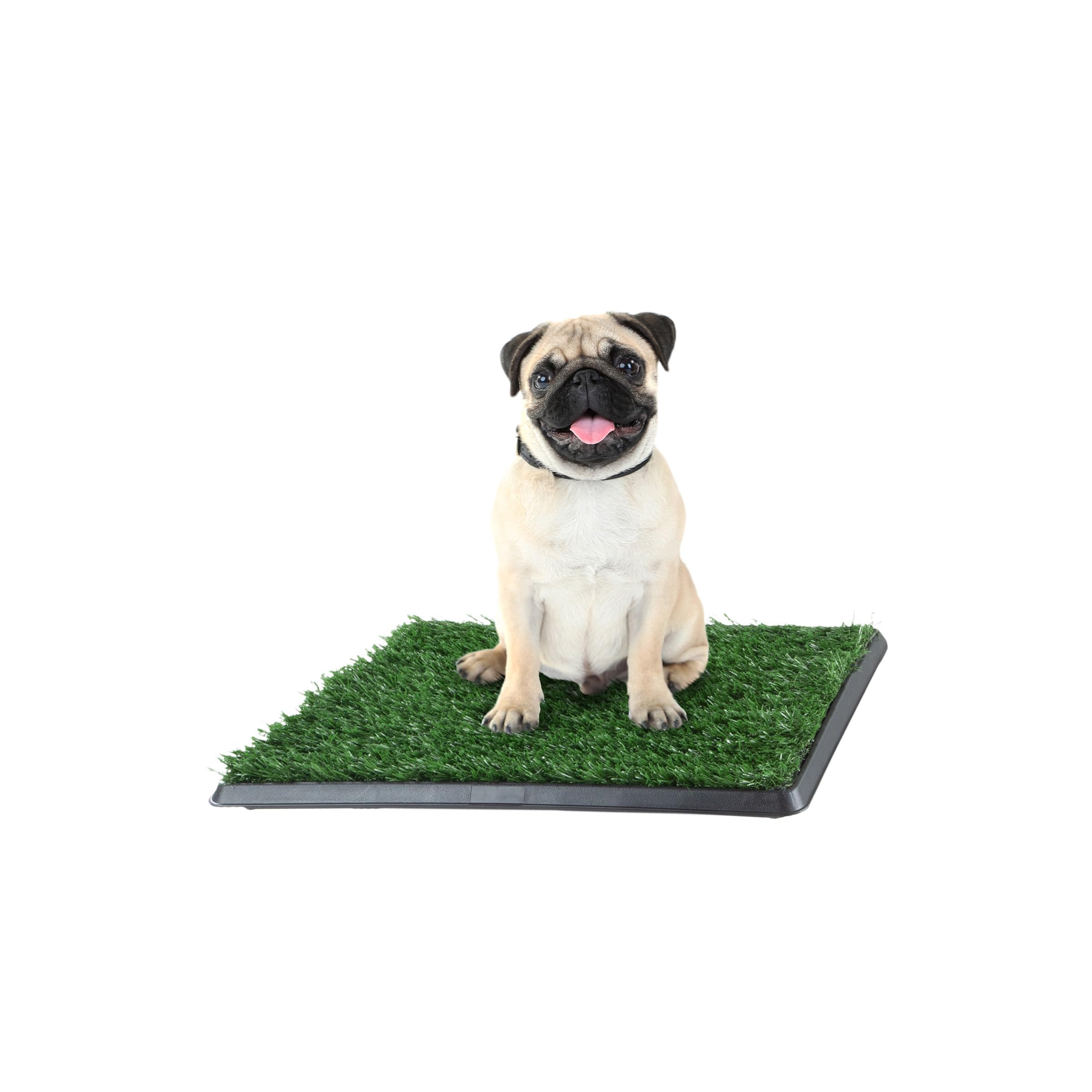
- Provide Temporary Toilets: Use fake grass or a specific surface in your preferred area to help them create a strong association between that surface and toileting.
- Use the Jackpot Method: When they toilet in the preferred location, let them finish completely. As they stand back up from squatting, mark the behaviour (with a word like "Yes!" or a clicker) and immediately reinforce with a jackpot—five or more small pieces of high-value food given one at a time.
- Set a Timer: Use a timer based on when they last successfully toileted. This ensures you create lots of opportunities to capture and reinforce the desired behaviour.
- Go With Them: Always take them outside and go with them (especially first thing in the morning and last thing at night) with your high-value reinforcement ready. Walk in a circle or figure-eight pattern to encourage them to relax and go.
- Track Everything: Keep a log of toileting times and locations to track improvement or spot any regression.
- Interrupt and Redirect: If you see body language that indicates toileting (like sniffing and circling), interrupt the puppy (don't scare them, just make a small sound) and quickly take them out to the preferred location (like the grass).
Making the Outdoors Awesome
Since emptying their bladder feels inherently good regardless of location, you need to make the puppy happy to toilet on the grass.
- Spend time reinforcing them for simply being on the grass (wet grass, long grass, short grass). Mark and reinforce them for running around and spending time outside, not just for toileting.
- Keep your preferred toileting locations clean, as dogs can be fussy about toileting where they have recently used.
✅ The Finish Line
Just as with children, every puppy is different, and they will learn at their own pace. Be patient, be consistent, and aim to get 30 days straight with no toileting accidents to consider them reliably trained!


