


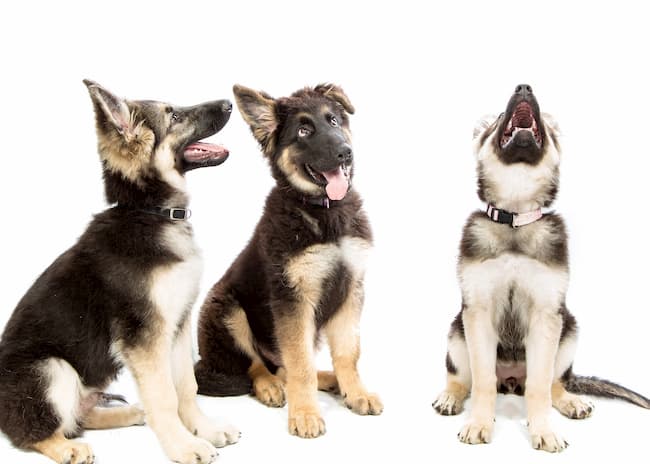
🕒 The Adolescent Timeline
Adolescence lasts much longer than many people realize:
- Physical Growth: Occurs between 6 to 18 months of age.
- Mental & Social Development: Continues from 6 to 36 months.
During this window, your dog is experiencing significant physical changes, cognitive shifts, and hormonal surges. Driven by intense curiosity and a low tolerance for boredom, they are wired to explore and test their environment.
🎓 Back to Basics: Training During the Surge
When your dog hits adolescence, it often feels like they’ve" forgotten" everything they learned in puppy school. This is the perfect time to hit the reset button.
- Simplify Your Training: Take a step back and practice simple, easy behaviours in a quiet, calm environment.
- Re-establish Manners: Remind them which "good" behaviours earn your attention and rewards.
- Build Confidence: Focus on making training fun again to strengthen their love of learning.
- Pre-empting Success: Learn to read your dog’s body language. If you see them about to make a choice, give them a cue and reward them heavily for following it. Show them that following your lead results in "great things" happening!
❤️ Strengthening the Bond
Adolescence is the most important time to work on your relationship. Instead of focusing solely on "obedience," focus on Life Reinforcers.
What does your dog actually love doing? Whether it’s sniffing, playing, or chasing, find ways to integrate these activities into your daily routine. By providing opportunities for them to do what they love with you, you become the most valuable part of their world.
🛠️ Managing Destruction& Boredom
Destruction usually happens for three reasons: a lack of supervision, a lack of exercise, or a lack of mental stimulation. The key is to provide Enrichment—satisfying their natural desires to chew, dig, and hunt.
Mealtime is Brain Time
Stop feeding your dog from a bowl! Make every meal an opportunity for enrichment:
- Treasure Hunts: Scatter their food in the grass or around the house for them to find using their nose.
- DIY Puzzles: Use empty tissue boxes, toilet rolls, or plastic bottles (with the plastic ring removed) to hide treats inside.
The "Digging" Dilemma
Digging is a normal developmental stage. Dogs dig because it's fun, instinctive, or because they are trying to regulate their temperature(looking for warmth or a cool spot).
How to manage it:
- Check the Basics: Ensure they have a comfortable place to lie (warm and cool options) and plenty of fresh water.
- Create a "Yes" Space: If your dog loves to dig, give them a designated spot! Use a half-shell plastic pool filled with sand.
- The Sandpit Jackpot: Bury high-value items like goats’ horns, deer antlers, or kangaroo tendons in the sand. This makes their "legal" digging area far more rewarding than your flower beds!
- Proof Your Garden: Use temporary barriers or dog-proofing on areas where they have previously dug.
🌟 The Most Important Rule: Don’t Give Up!
This is a developmental stage, and like all stages, it will pass. If you feel frustrated, remember to:
- Rotate Toys: Keep their interest high by swapping toys in and out.
- Keep it Social: Exercise them with other balanced adolescent dogs.
- Reward Good Choices: If you catch them lying down quietly or choosing a toy over a shoe, reinforce them immediately!
The Goal: Aim for consistency and patience. If you can stay the course, you’ll come out the other side with a well-adjusted, confident, and loyal adult companion.


